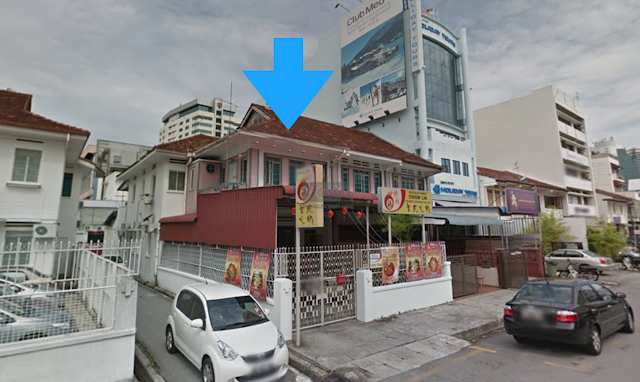
Recognised as having a "unique architectural and cultural townscape without parallel anywhere in East and Southeast Asia", George Town contains one of the largest collections of pre-war buildings in Southeast Asia.
There is certainly a big appeal to listed properties from an aesthetic perspective. They’re invariably stunning, and one of the benefits is high ceilings, which a lot of buyers are interested in. The flip side is that there are restrictions as to what you can change. For a lot of buyers who want that beautiful-fronted property with all the usual mod cons of a new home, it can sometimes be a little tricky to get that.
A property’s listing generally covers the entire home, both facade and interiors, and in order to renovate any part of it, homeowners must first get approvals. The council lays out the process for making alterations to a listed home, which includes applying to a local planning authority to ensure the proposed changes won’t diminish the home’s historical character.
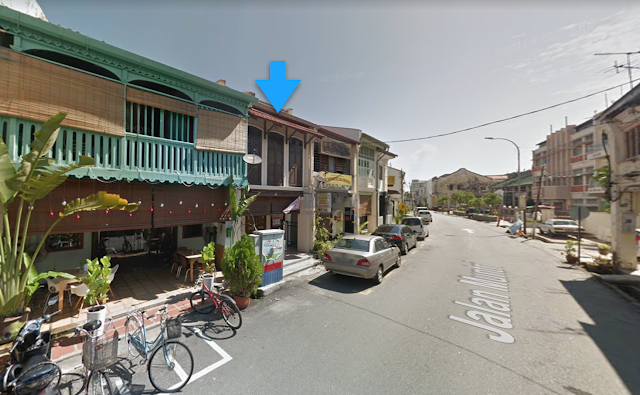
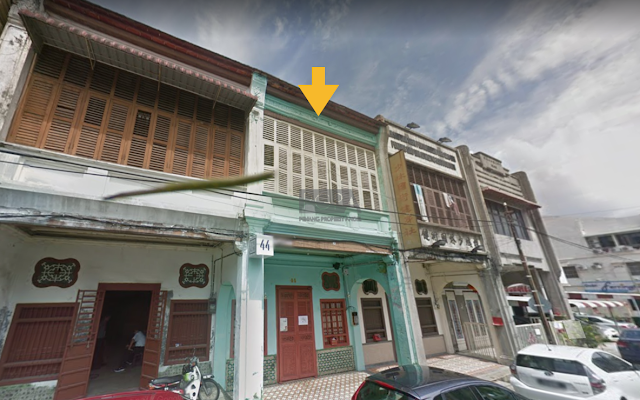
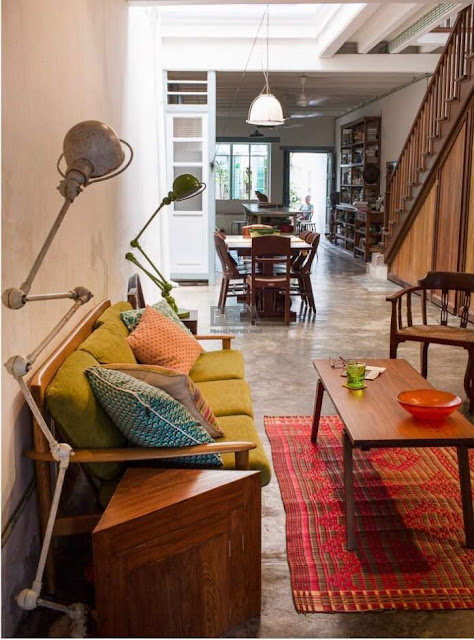
A petit pre-war heritage shophouse on Muntri Street, tastefully refurbished into a residence with an attic >>moreThe process can be complex enough that listed homeowners typically will hire a planning consultant/architect to help them navigate their renovations.
The actual costs associated with refurbishing a listed building are generally pretty much in line with refurbishment costs for all similar-sized building. What differs is the amount of time required to obtain planning permission for any refurbishment work.
The potential hurdles associated with listed homes dissuade some investors, particularly those from overseas who lack insider knowledge of Penang real estate, in addition to the time to go through its bureaucratic channels.

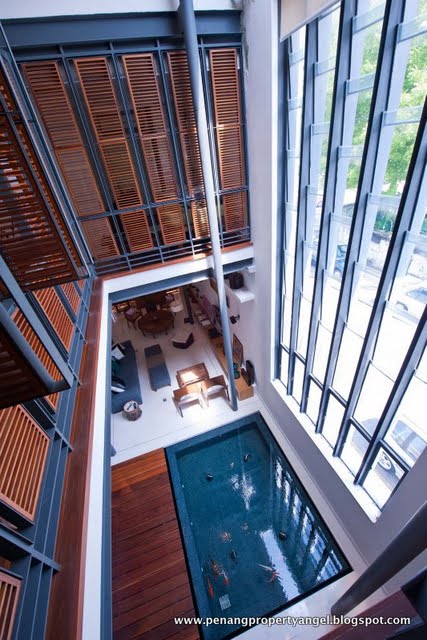
These heritage properties on King Street and Church Street are elegantly refurbished with modern interior and glass panel extension, while the heritage facade is preserved >>moreIt’s a certain type of investor, who will be drawn to listed buildings, one who craves a unique property that is unmistakably George Town, with an aura of history that can’t be found elsewhere. Another advantage of listed properties is that that historic feeling is often not just limited to the home, but extends throughout the surrounding neighbourhood.
The nature of Penang’s built heritage means that if one house is listed, the whole terrace or street, even surrounding treats could be listed or protected in some way. On this basis, a listing often not only protects the character of a single home, it can also maintain the character of a neighbourhood.
Potential for AppreciationGiven the unique character of listed buildings, prospective buyers might expect that such properties would offer better returns than newer developments.
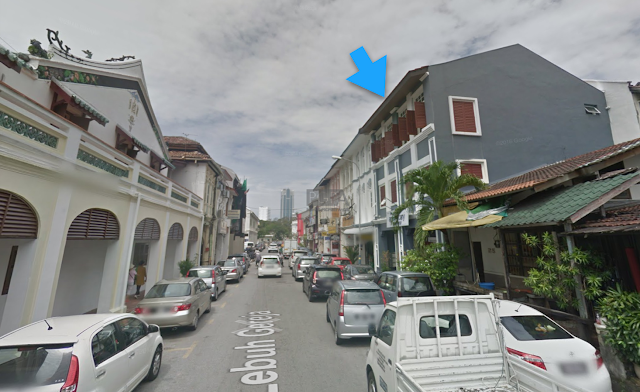
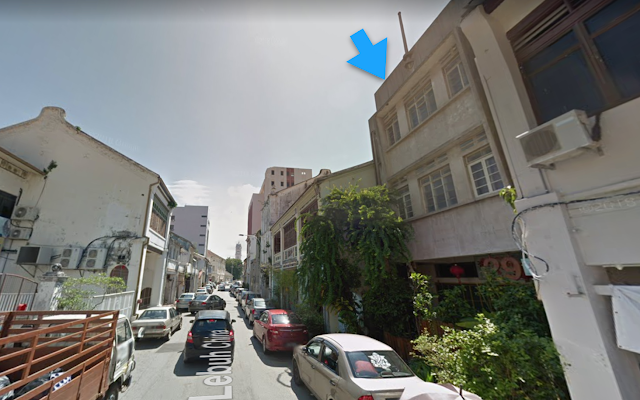
Two adjoining three-storey heritage properties on Church Street which have been refurbished as a home-stay for travellers >>more Ultimately, the value is always going to be driven by location. If a building is listed, it’s not so much the listing itself that will increase saleability, though it certainly will increase the number of people that would be interested.
A combination of historic charm and a central location is likely to attract the most interest from prospective buyers.
Finding a Balance Between Old and New
Occasionally, there are opportunities for investors to buy property that has both historical significance and modern interior, which offers them the freedom to make updates without any bureaucratic hurdles.